A life in dance, passed on to the children of Monaco
Ananyan Ballet grew out of one simple conviction: the children of the Principality deserve classical training that is serious, demanding and deeply personalised.
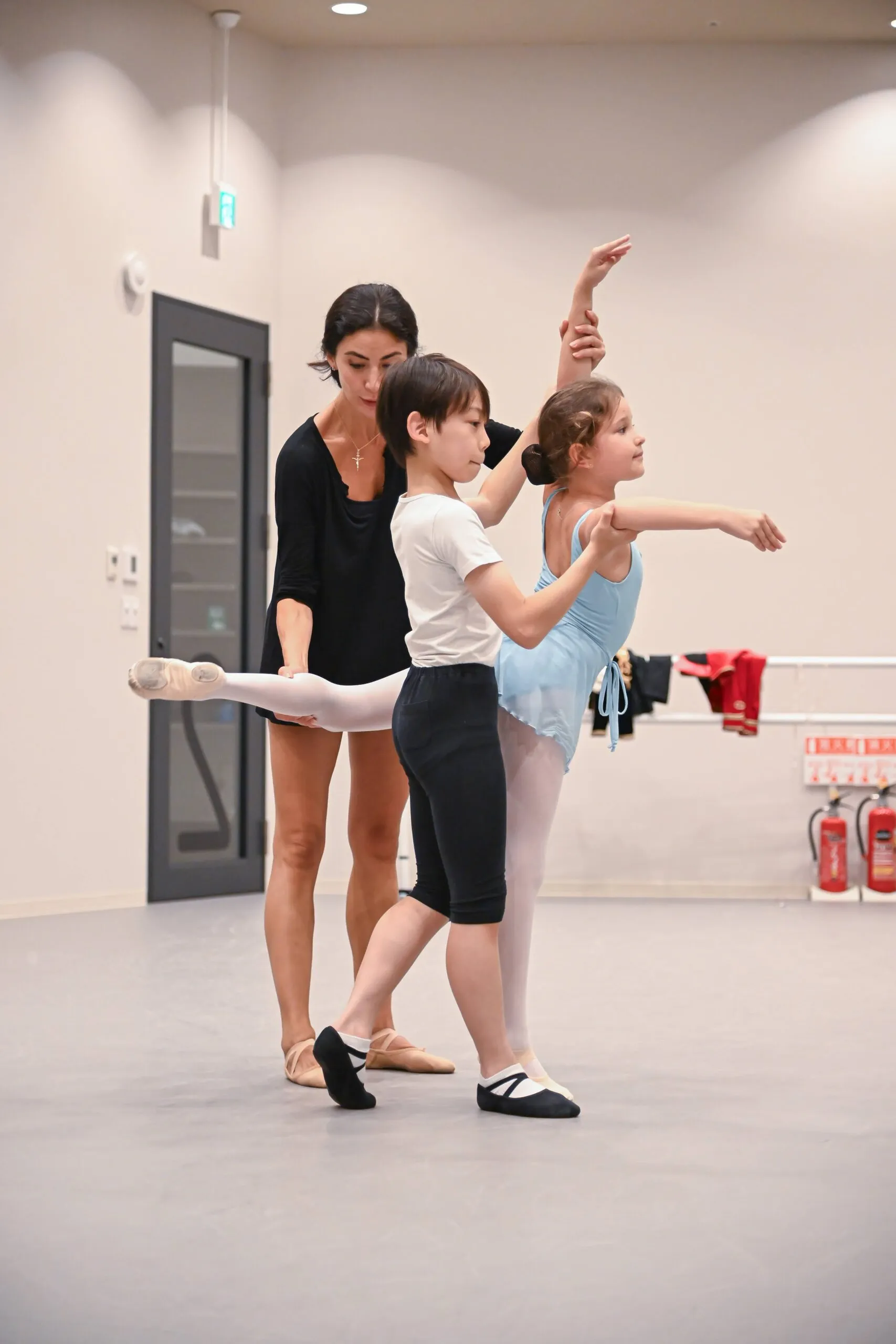
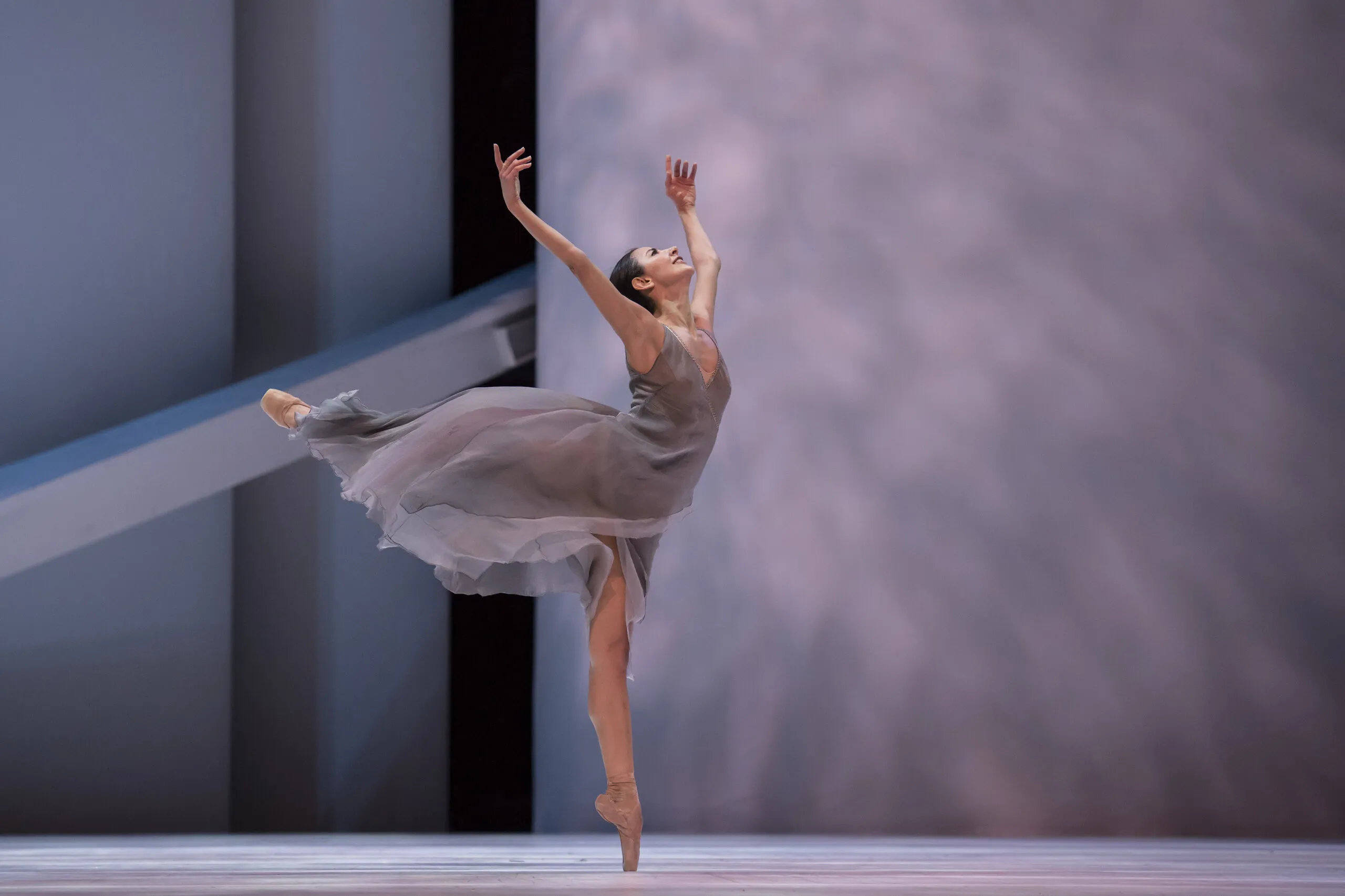
Victoria Ananyan
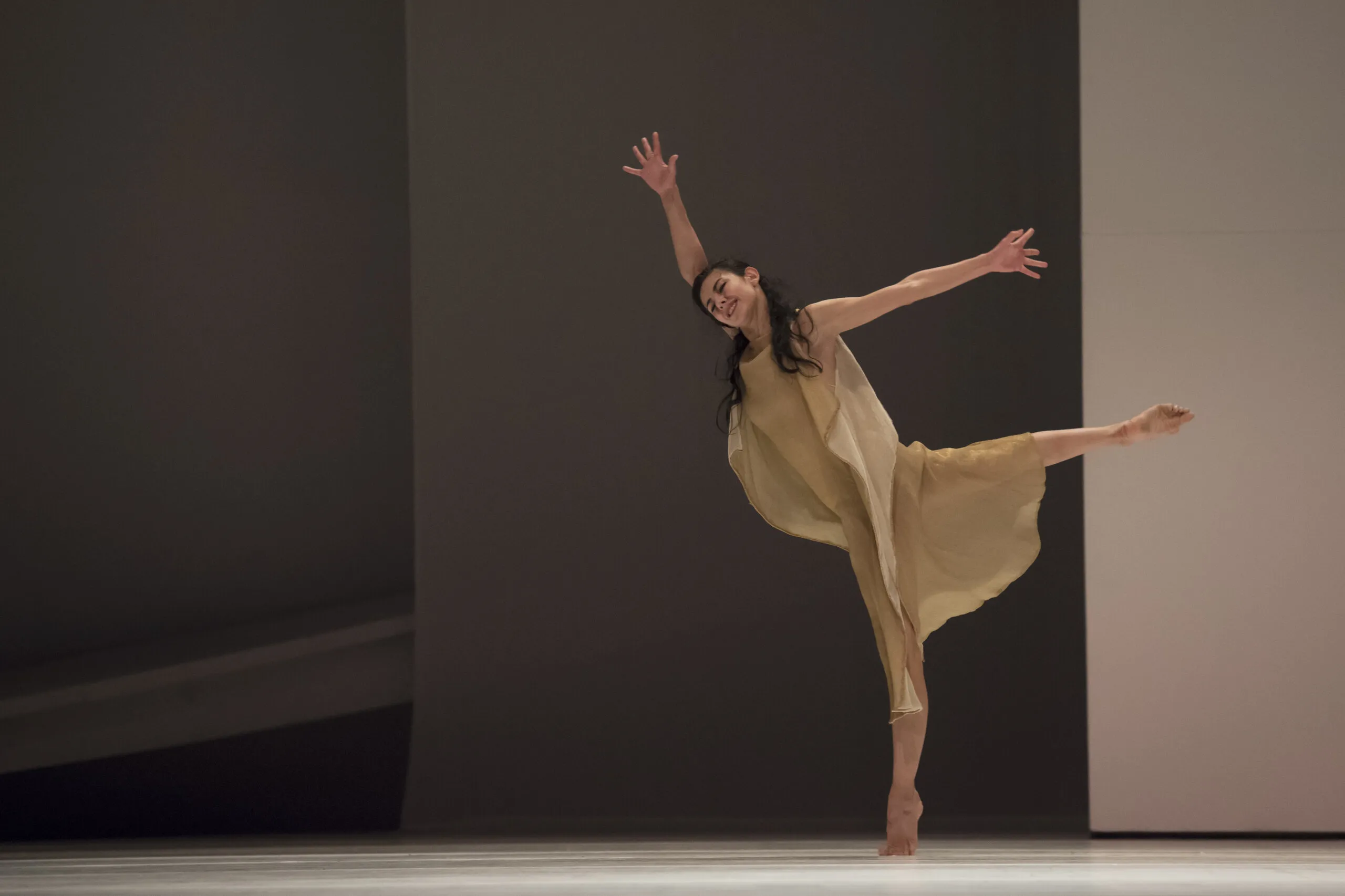
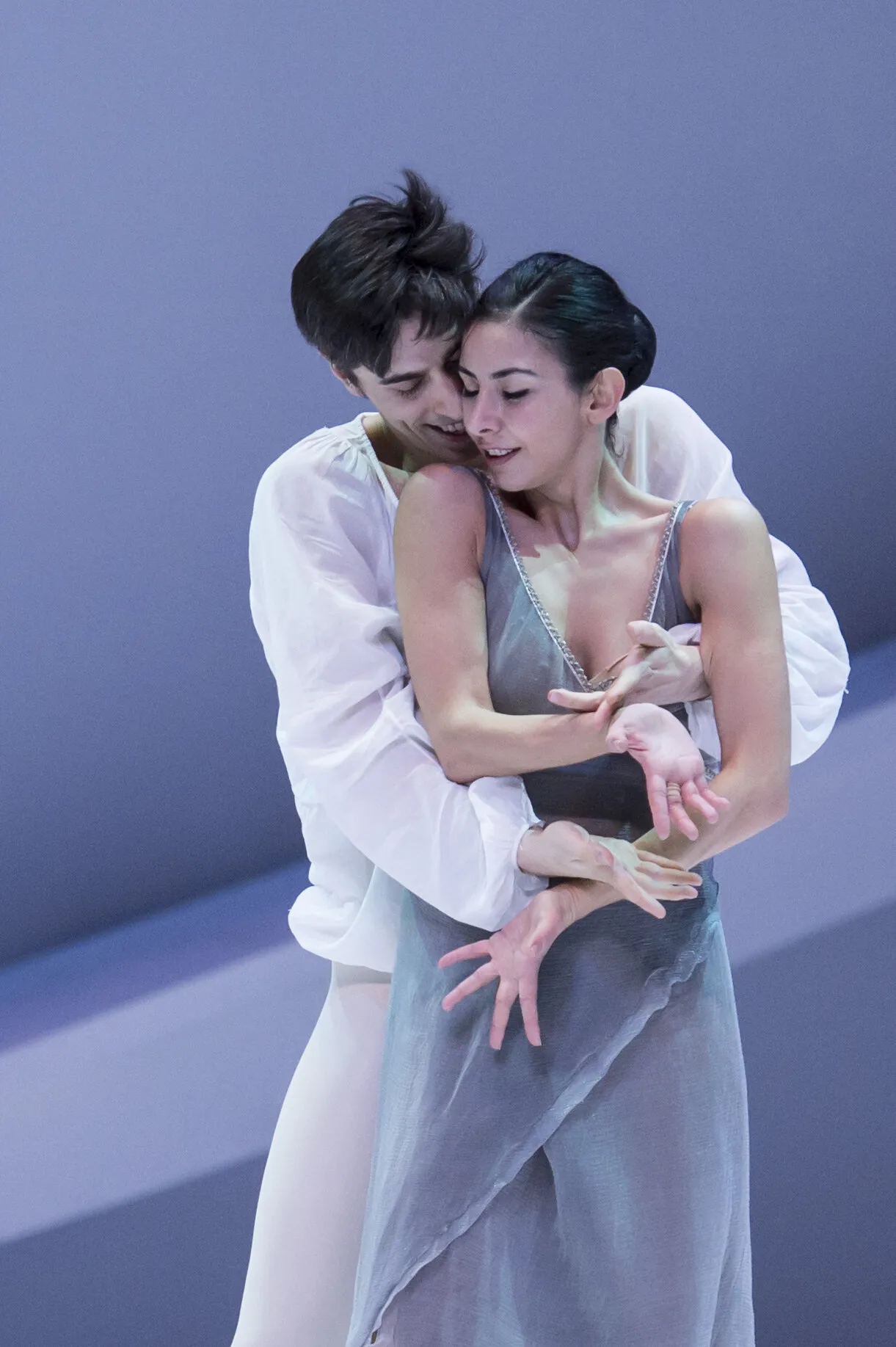
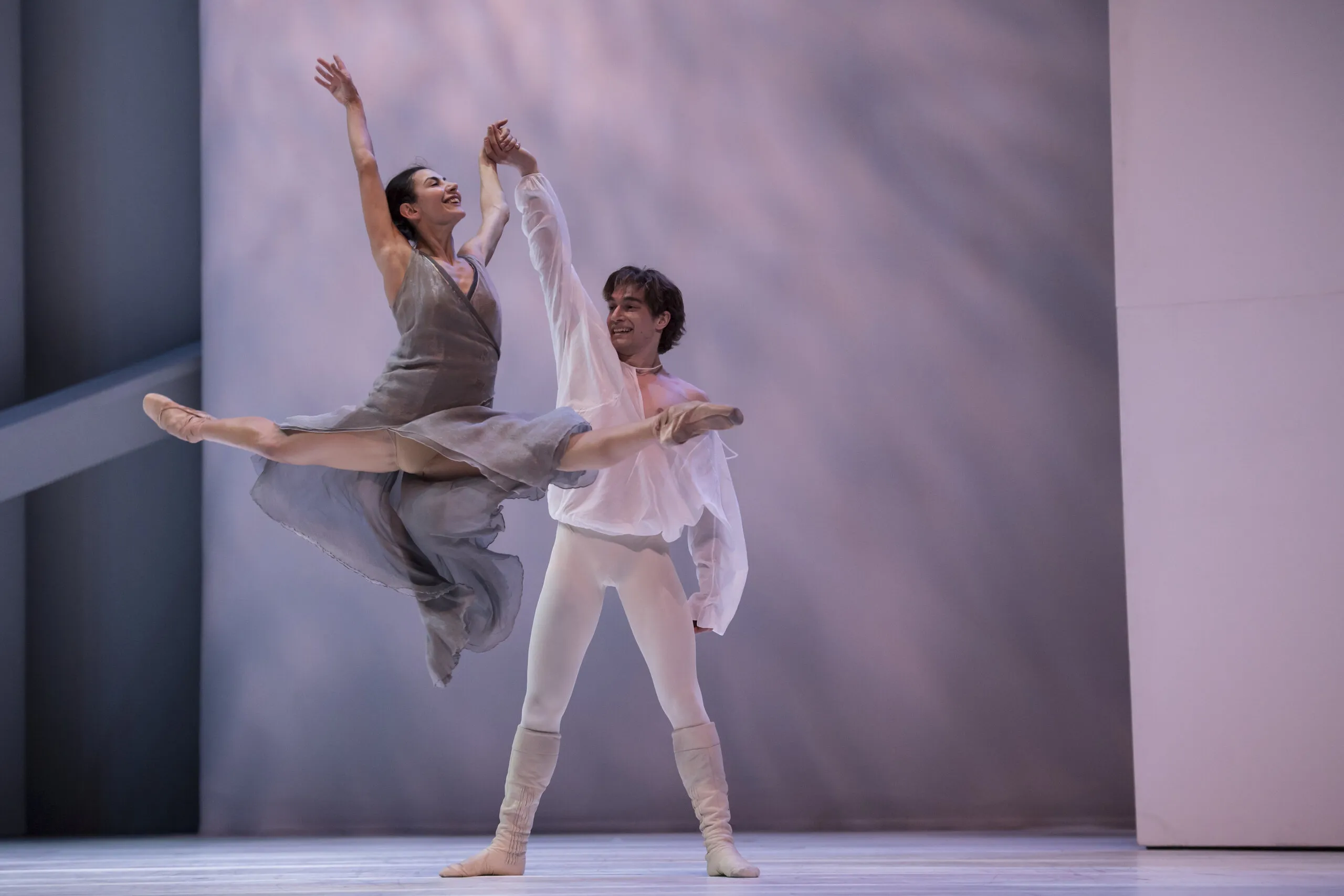
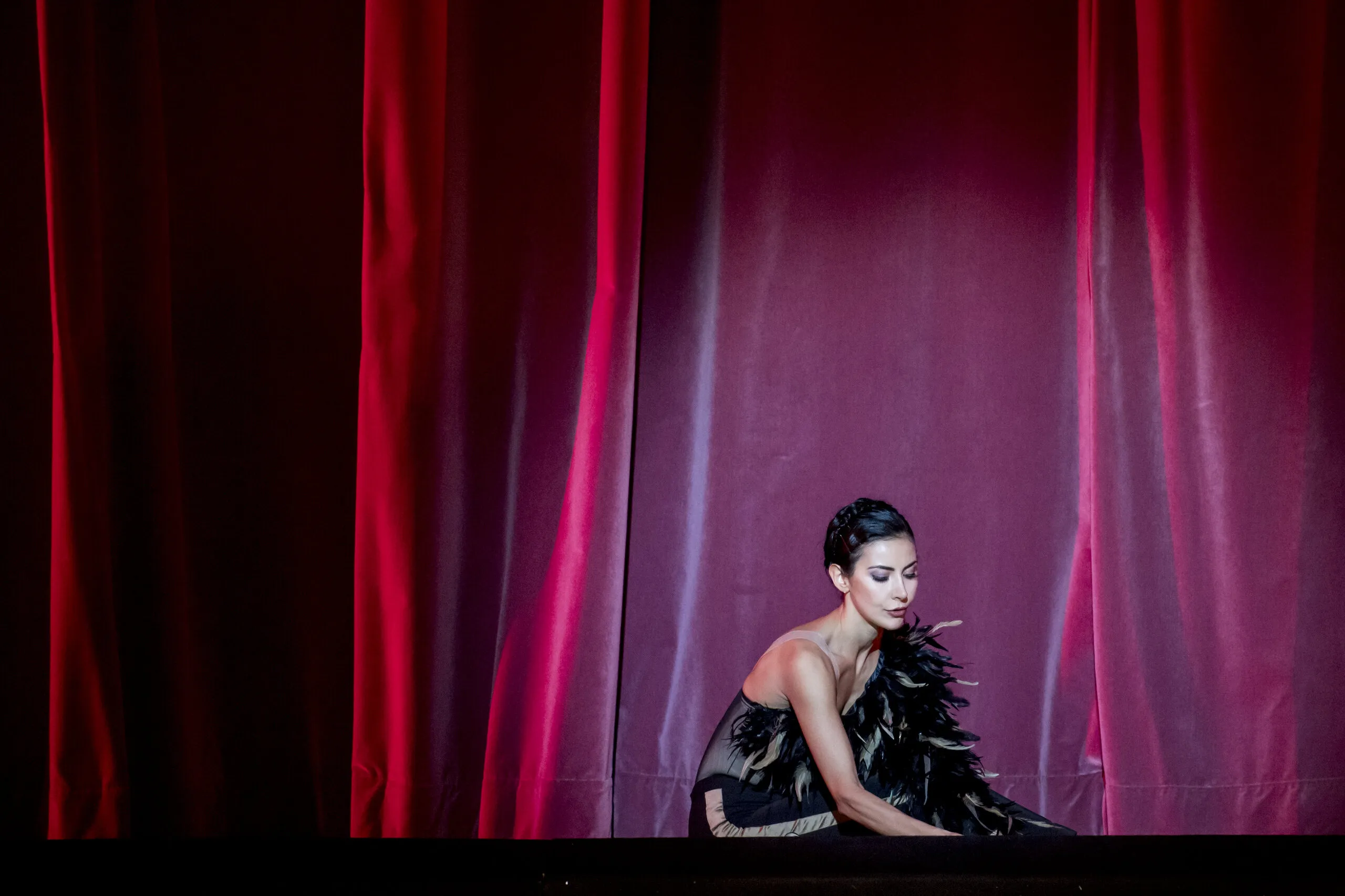
Victoria Ananyan, founder and artistic director of Ananyan Ballet, was a Principal Dancer with Les Ballets de Monte-Carlo for ten years, under the direction of Jean-Christophe Maillot and the patronage of H.R.H. the Princess of Hanover.
Born into a family deeply rooted in the performing arts, Victoria was first trained within her family, and particularly by her mother, a classical ballet teacher, in Kharkiv, Ukraine, where the family moved after leaving Armenia. Classical ballet was therefore part of her life from the very beginning: not simply a profession she later chose, but an artistic language in which she was raised.
She later continued her professional education at the Perm Choreographic Ballet School in the Vaganova tradition, graduating in 2003 with highest honours (Red Diploma). She began her professional career as a soloist with the Perm Opera and Ballet Theatre before joining Dutch National Ballet in Amsterdam. During this period, she also danced with San Francisco Ballet in the United States.
Throughout her international career, Victoria performed as a principal dancer and international guest artist with different companies, appearing at major theatres, international galas and festivals across Europe, North America and Asia. She worked with numerous choreographers, ballet masters and artists, performed leading roles from the classical repertoire as well as contemporary and neoclassical works, and taught masterclasses internationally.
Her repertoire includes Giselle, Swan Lake, The Sleeping Beauty, Don Quixote, Romeo and Juliet, The Nutcracker, Scheherazade and La Bayadère, among many other works. Her career brought her to prestigious international stages both as a company principal and as a guest artist.
In connection with the 2014 Winter Olympic Games, Victoria performed at the official Olympic Flame handover ceremony as part of the Sochi 2014 Olympic Torch Relay.
After her stage career, she founded Ananyan Ballet in Monaco, bringing together the artistic lineage in which she was raised, her international performing career, her pedagogical qualifications and her experience as a teacher and artistic director.
An artistic dynasty
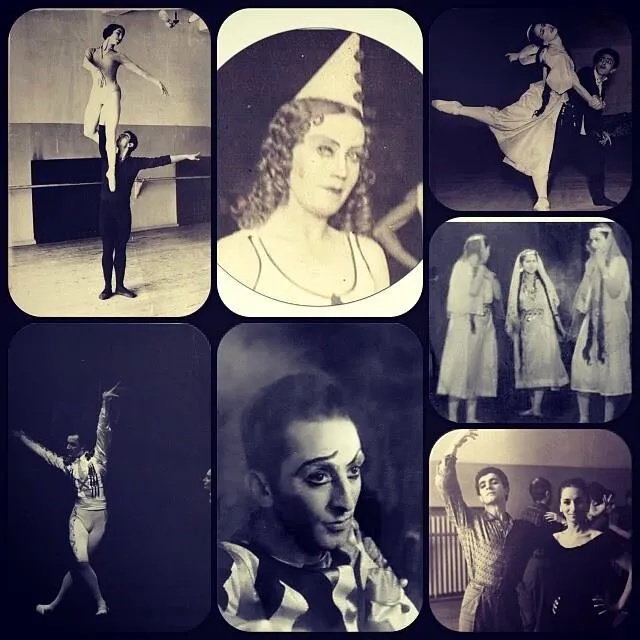
In this family, dance was not simply chosen: it was passed down. Victoria's grandmother trained in St Petersburg. The pedagogue who taught her is the very one who, years later, taught Victoria's own teacher in Perm.
In other words: her teacher's teacher had already taught her grandmother. Victoria does not regard that as a coincidence.
Her mother, Zhanna Muradyan, was her first teacher and has remained so. She is herself an important part of this pedagogical lineage: she studied in Armenia and was also shaped by the St Petersburg classical tradition, including work with the pedagogues Dina Nikolaevna Gatsina and Natalia Dudinskaya, then taught classical ballet for many years in Ukraine, particularly in Kharkiv, and later lived and taught in Tokyo. Her students have gone on to dance internationally, including leading dancers working on stages around the world.
Today she continues this family tradition by supporting Victoria and contributing her experience to Ananyan Ballet in Monaco, with the same children.
A family of teachers trained in the Vaganova method, generation after generation. Alongside her mother, Zhanna Muradyan, Victoria Ananyan carries on a family tradition of transmission and rigour.
“My mother is the alphabet of classical ballet.”
For Victoria, classical ballet was present from childhood as naturally as the language spoken at home. She grew up surrounded by dancers, teachers, rehearsals and the transmission of knowledge from one generation to another. The method taught at Ananyan Ballet therefore comes from both formal academic training and a living artistic lineage.
This changes very concrete things. A correction given to a six-year-old is not an intuition: it is a gesture learned from someone who had learned it in turn. Nothing in this school was invented last week.
Victoria's maternal grandmother, Maria Grigorievna Sliztchenko, trained from 1924 at the St Petersburg ballet school, the former Imperial school. Her maternal grandfather, Zaré Muradyan, trained in Moscow, was a dancer at the Bolshoi Theatre and one of the figures connected with the development of Armenian ballet. Victoria's father trained in the Moscow tradition, in the line of Pyotr Antonovich Pestov. Victoria's brother, Edgar Ananyan, was a principal dancer at the theatre in Kharkiv, Ukraine, and a choreographer; beyond dance, the family counts an opera singer, painters and writers.
The method
The teaching rests on the foundations of the Vaganova tradition, the St Petersburg tradition, which Victoria received in Perm and which her mother and grandmother had received before her. Classical work remains the base. Added to it, without replacing it, are elements of the French, Italian, English and American schools, and later contemporary as a discipline in its own right.
The programme is her own: the rigour of the classical system, passed on to each student according to their potential and commitment. A child in Monaco will never train five hours a day, and Victoria knows this. The whole question is what can be built with the hours actually available.
The Vaganova method, developed by Agrippina Yakovlevna Vaganova, is the backbone of the teaching, enriched by international professional experience. The school does not teach a sequence of recreational combinations: it passes on classical ballet as a coherent artistic and technical language, adapted intelligently to each student's age, physical development, level and objectives.
“You cannot miss one brick and just go faster. But for what we do in the hours we have, the results are there.”
What happens in the studio
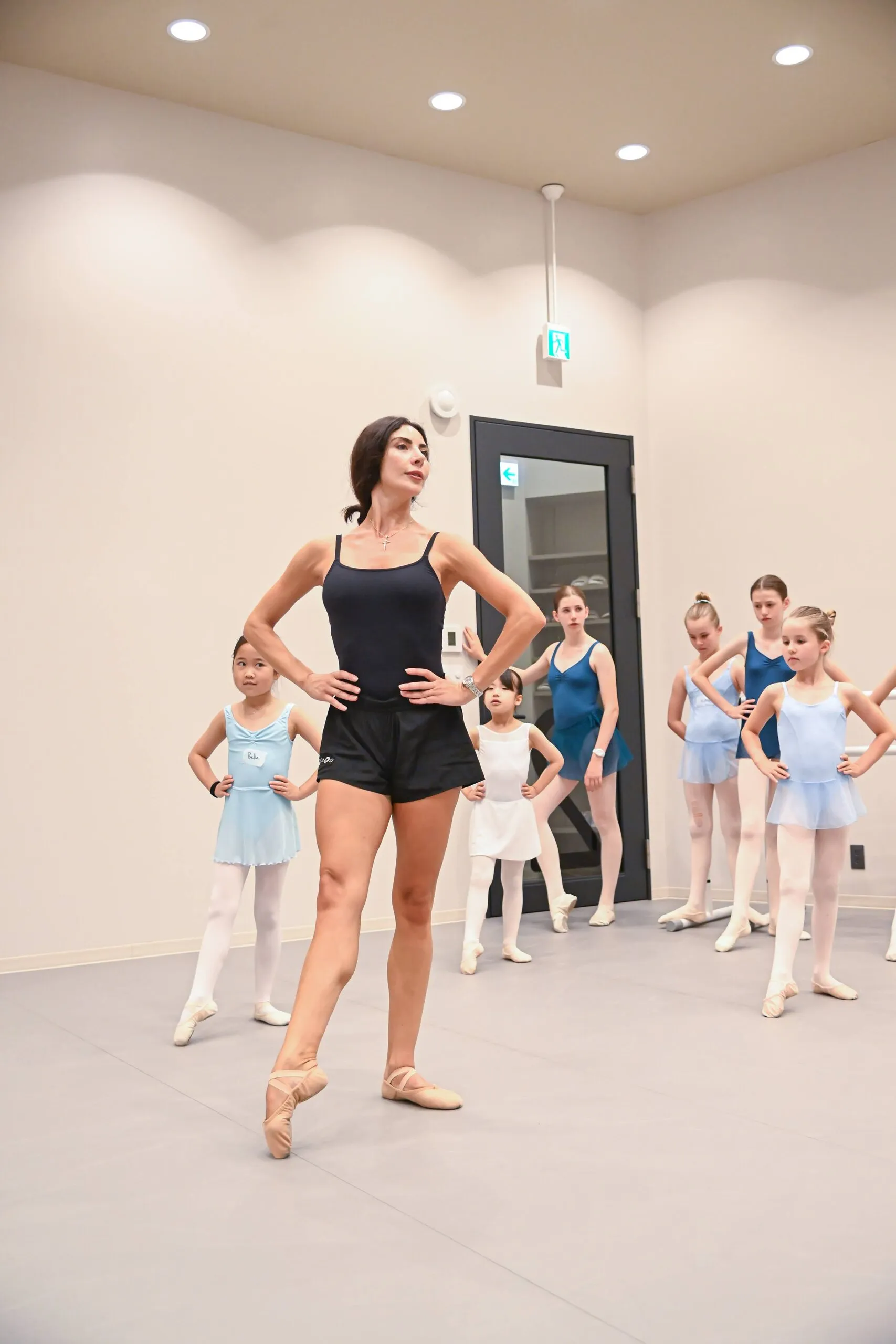
A class keeps the classical order: the barre to place and wake the body, the centre where the work done at the barre has to hold without support, then travelling steps and repertoire. That order does not change with age.
What changes is the tempo. A child asked to spend twelve counts stretching the foot and twelve counts bringing it back does not come back the following week. So Victoria built her class differently: explain, then move on, and teach children to dance early rather than only to exercise. The accent falls on musicality and on what each student has that is their own.
What you can see
“You can see my children by the posture, by the open back, by the verticality, by their movements, large and clean. We do not do dirty dancing.”
Five markers, visible from the doorway, and visible across the whole group rather than on one star student.
Posture
The body is held from the first exercise to the last, and not only when someone is watching. It is the first thing learned and the last thing lost.
The open back
Shoulders down, chest open, shoulder blades in place. A closed back is visible from ten metres away, and it corrects badly once it has settled in.
Verticality
Placement before everything else. Until the vertical line is there, adding speed or height serves no purpose.
Large movements
The gesture goes all the way, at full amplitude, and stays clean. Large and clean at the same time: that is where the work becomes hard.
Nothing dirty
No approximate passage is let through because what follows is pretty. A badly finished step is done again, at any age.
Ensemble before the spotlight
“Every parent wants their child in the spotlight. I also teach them how to be in ensemble, how to work in a group, and how to hold their egos.”
Of course, some children have exceptional talent, natural ability and a remarkable capacity for work. Their individual potential should be recognised and nurtured.
But classical dance education is about much more than individual talent or being in the spotlight. It develops resilience, consistency, teamwork, respect, discipline, and the habit of starting again. Learning to work as part of an ensemble, to listen to others, and to contribute to something larger than oneself is an essential part of that education.
These qualities remain long after the dance class is over, whether or not a child chooses to become a professional dancer.
An academic education
An academic education, structured and demanding, rooted in the traditions of classical ballet.
Those who will teach at Ananyan Ballet will follow the same method, standards and values that guide Victoria's own teaching.
A family entrusting their child to us has the right to know who is standing in front of them, teaching and guiding them.
An education for life
Classical ballet is a noble art, but also a true education for life. All students at Ananyan Ballet receive serious, demanding classical training, even though their paths and their goals may differ. Some will want to continue towards pre-professional or professional training; others will carry with them, into very different worlds, the discipline, culture, musicality, concentration, coordination, perseverance, confidence and awareness of the body acquired through ballet.
Every student learns and grows in their own way. When the programme suits them, the school also accompanies students whose learning, coordination, concentration or perception of movement may be different, without reducing them to a label. The standard stays the same; the pathway adapts to the abilities, potential, commitment and goals of each student. Students who wish to move towards a more intensive or professional path are accompanied progressively, according to their age, physical preparation, level, potential and commitment.
Classical training is demanding, but rigour does not require humiliation. The teaching relationship rests on trust, respect, understanding and care for each student's well-being: high expectations, with humanity. The school does not promise a professional future. It guarantees serious teaching, individual attention within the group, honest guidance and the possibility of going as far as each student's abilities and commitment allow. Students considering a professional path receive additional support: more hours, individual work, and preparation for competitions and auditions.
At the end of the different levels of training, students may receive an Ananyan Ballet certificate attesting to the pathway and the level completed within the school.
Diplomas and results
Education and qualifications
Trained at the prestigious Perm Choreographic Ballet School in the Vaganova tradition, Victoria Ananyan graduated in 2003 as a professional ballet dancer with highest honours (Red Diploma). She also holds two French pedagogical qualifications obtained at PNSD Rosella Hightower, complementing her professional performing background with formal qualifications in dance pedagogy.
Professional Ballet Dancer Diploma
Perm Choreographic Ballet School, highest honours (Red Diploma), 2003
Diplôme d'État, Ballet Teacher
French State Teaching Diploma
Diploma in Choreographic Arts / Fine Arts
Teaching qualification, Vaganova method
MBA
International University of Monaco
Best Entrepreneurial Project Award 2025
Monaco Economic Board
Career
Principal Dancer, Les Ballets de Monte-Carlo
For ten years under the direction of Jean-Christophe Maillot
Previous professional engagements
Soloist with Dutch National Ballet, Amsterdam; San Francisco Ballet, United States
International career
Principal dancer and international guest artist: performances at major theatres, international galas and festivals across Europe, North America and Asia; collaborations with choreographers and ballet masters; international masterclasses
2014 Winter Olympic Games: Olympic Torch Relay
Performance at the official Olympic Flame handover ceremony as part of the Sochi 2014 Torch Relay
International competitions
International competitions are an integral part of the path Ananyan Ballet offers. Our students have already taken part successfully in competitions in Grasse, Toulon and Sanremo, where they earned several placements and distinctions.
In 2026, the school took part in the 27th International Competition of Toulon. The whole class participated, without a prior rehearsal on stage. Training approximately three hours a week, our students competed alongside schools whose students train up to sixteen hours a week. In the solo categories, our students won gold, silver and bronze, while the group was awarded second place. Shortly afterwards, at Sanremo, another student achieved second place.
Beyond the results, a competition is a step in a student's progress: it lets them measure their work, meet the stage, build their confidence and affirm their artistic personality. Ananyan Ballet continues to prepare its students for international competitions, according to their age, their level, their potential and their preparation.
Competitions are not a hunt for medals: they are a way to test preparation, meet the stage, gain perspective and discover an international environment.
“These are not imported professionals, they are Monaco's own children, and they are performing at a level that speaks for itself.”
Alongside, not against
Monaco is home to the Académie Princesse Grace, internationally recognised for training young dancers towards professional careers. It does what it does well, and Ananyan Ballet seeks neither to replace it nor to compete with it.
Ananyan Ballet takes its place in the Monaco landscape with a complementary approach: to offer the children and families of Monaco a ballet education of excellence, demanding and deeply personalised. Each student is accompanied according to their potential and commitment.
“I am not entering as an enemy. I want the same education for everyone.”
Come and see a class
To understand a school, the simplest thing is to walk into it. The first class is a trial, free and with no commitment.
Book a trial class